Kayla: A Whimsical Font That Transforms Typography into a Living Garden
In the world of typography, where clarity and legibility often take precedence, Kayla stands out as a rare exception. This beautifully crafted display font is not merely a tool for communication—it's an artistic expression that blends nature with design. With its enchanting butterfly pattern and intricate detailing, Kayla transforms every letter into a miniature work of art. Whether you're designing a brand identity or creating content for a nature-themed publication, this font offers a unique way to convey elegance and creativity.
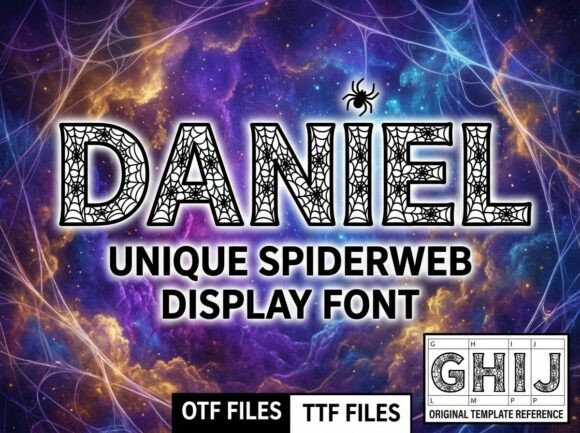
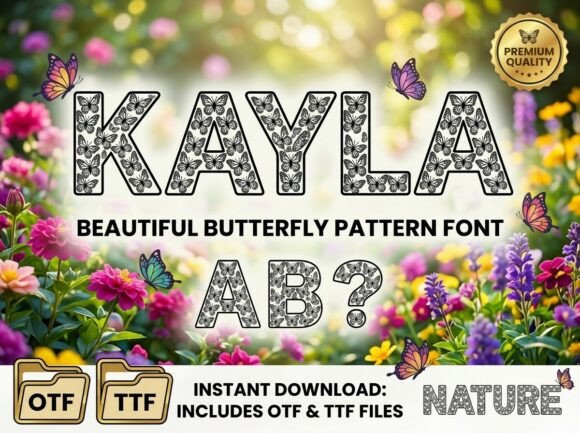
At first glance, Kayla appears to be a decorative typeface, but it's much more than that. Each bold character is meticulously filled with a dense, intricate arrangement of butterfly silhouettes. This attention to detail ensures that even in larger formats, such as logos or headlines, Kayla maintains its visual impact without sacrificing readability. The font's structure is carefully balanced between natural beauty and structured typography, making it both visually appealing and functionally sound.
The Artistry Behind Kayla
Kayla is designed with a focus on ethereal charm and breathtaking detail. Every stroke of the font is infused with elements of nature, particularly butterflies, which are often associated with transformation and grace. This makes Kayla especially well-suited for fairytale-themed branding, botanical garden signage, and other creative projects that require a touch of whimsy.
The use of butterfly silhouettes within each character adds a layer of depth and complexity to the font. Rather than being a simple ornamental addition, these patterns are seamlessly integrated into the typography. As a result, Kayla doesn't feel cluttered or overwhelming—it feels like a living garden, where each letter blooms with life and movement.
For designers who want to make a statement with their typography, Kayla provides a powerful tool. Its high level of detail means that it works best in situations where the text can be viewed up close, such as in print media, digital banners, or social media graphics. It may not be ideal for long blocks of body text due to its complexity, but when used strategically, it can elevate the visual appeal of any project.
Who Benefits Most from Using Kayla?
Kayla is particularly beneficial for professionals and creatives working in industries that value aesthetic appeal and storytelling. Luxury beauty brands, for example, can use Kayla to create packaging that feels both elegant and organic. Similarly, nature-inspired bloggers or publishers might find it useful for headers, titles, or promotional materials that reflect the themes of their content.
Apparel designers looking to add a feminine touch to their collections may also appreciate the delicate yet strong presence of Kayla. Its intricate details can be used in branding, product tags, or even as part of fabric prints. For greeting card designers, Kayla offers a perfect blend of sentimentality and visual interest, making it ideal for special occasions like weddings, birthdays, or anniversaries.
Entrepreneurs and small business owners who are building their brand identity might find Kayla to be an excellent choice for logos or taglines. Its unique style helps differentiate their brand from competitors while maintaining a sense of professionalism and sophistication.
Real-World Applications and Practical Considerations
While Kayla is undoubtedly beautiful, it's important to consider how it will perform in different contexts. In web design, for instance, using Kayla for large headings or call-to-action buttons can draw attention effectively. However, because of its intricate design, it may not render as smoothly on all devices or screen resolutions. Testing across various platforms is recommended before finalizing any design that includes this font.
Another consideration is file size. Fonts with complex designs like Kayla can be larger in file size compared to simpler typefaces. This may affect loading times on websites or applications where performance is critical. Designers should weigh the visual benefits against potential technical trade-offs when deciding whether to use Kayla in digital projects.
Despite these considerations, many professionals have found that the visual impact of Kayla justifies its use. When applied thoughtfully, it can enhance the overall aesthetic of a project without compromising functionality.
One practical recommendation is to pair Kayla with a simpler, more readable font for body text. This approach allows the designer to maintain visual harmony while ensuring that the content remains easy to read. By reserving Kayla for headings, titles, or accents, it can serve as a focal point without overwhelming the reader.
Evaluating Quality, Usability, and Long-Term Value
From a quality standpoint, Kayla is well-crafted and demonstrates a high level of attention to detail. The integration of butterfly patterns within each character is seamless and visually pleasing. The font is available in multiple weights and styles, offering flexibility for different design needs.
In terms of usability, Kayla is most effective in situations where visual impact is key. Its intricate design makes it less suitable for long-form text, but it excels in short, impactful statements. This versatility makes it a valuable asset for designers who need to balance aesthetics with functionality.
Long-term value is another important factor to consider. Because of its unique design, Kayla has the potential to become a signature element of a brand or project. Its ability to stand out in a crowded market can provide lasting benefits, especially for businesses looking to establish a distinct visual identity.
However, it's worth noting that Kayla may not be the best choice for all design scenarios. Its complexity could be distracting in certain contexts, and it may not align with the tone or message of every project. Designers should evaluate their specific needs and audience preferences before incorporating this font into their work.
Overall, Kayla offers a compelling blend of artistry and utility. Its unique design allows it to serve as both a functional tool and a creative expression. When used appropriately, it can help bring a project to life in ways that more conventional fonts cannot.