Gothic: A Bold and Timeless Display Font for Modern Creativity
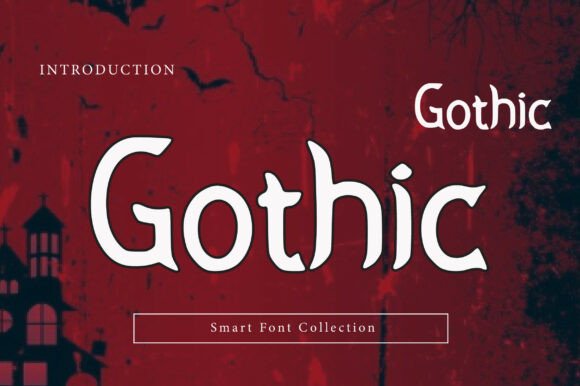
Fonts are more than just tools for communication—they are expressions of style, emotion, and identity. Among the many font families available today, Gothic stands out as a bold, calligraphy-inspired display font with a medieval gothic feel and handcrafted character. With its strong strokes, slightly flared terminals, and classic old-world styling, Gothic is ideal for dramatic titles, branding, and creative projects that demand a vintage gothic mood without sacrificing readability.
What Is the Gothic Font?
The term “Gothic” often brings to mind dark castles, ancient manuscripts, and mysterious atmospheres. However, when it comes to typography, Gothic fonts have their own unique story. Unlike the elegant serifs of traditional typefaces, Gothic fonts feature angular shapes, thick strokes, and minimal ornamentation. They are also known as blackletter fonts, which originated in the Middle Ages and were widely used in Europe for religious texts and official documents.
Modern Gothic fonts like the one described here are inspired by these historical designs but have been refined for contemporary use. They retain the dramatic flair of their predecessors while ensuring legibility on screens and in print. This makes them perfect for a wide range of applications, from book covers to digital media.
Key Features of Gothic Fonts
- Strong Strokes: Gothic fonts are characterized by their heavy, uniform strokes that give them a powerful and imposing presence.
- Slightly Flared Terminals: The ends of the letters often flare outward, adding a sense of movement and elegance.
- Classic Old-World Styling: These fonts evoke the look of illuminated manuscripts and medieval scripts, making them ideal for projects with a historical or fantasy theme.
- Readability: Despite their ornate appearance, modern Gothic fonts are designed with readability in mind, ensuring they remain legible even at smaller sizes.
Why Choose Gothic for Your Projects?
Gothic fonts are incredibly versatile and can be used in a variety of creative contexts. Whether you're designing a logo, creating a poster, or working on a book cover, Gothic offers a dramatic and memorable visual impact.
One of the main reasons designers choose Gothic fonts is their ability to convey a sense of mystery, power, and tradition. This makes them especially popular in genres such as fantasy, horror, and historical fiction. For example, a fantasy novel might use a Gothic font for its title to immediately set the tone and capture the reader's imagination.
Additionally, Gothic fonts are well-suited for Halloween-themed projects, dark academia aesthetics, and other design styles that emphasize a vintage or moody atmosphere. Their bold letterforms make them stand out, whether used in print or digital formats.
Common Uses of Gothic Fonts
- Book Covers: Gothic fonts are frequently used in the publishing industry for book titles, especially in genres like fantasy, horror, and historical fiction.
- Posters and Logos: Their striking appearance makes them ideal for eye-catching logos and promotional posters.
- Album Artwork: Many music artists use Gothic fonts to create a dramatic and immersive visual experience for their album covers.
- Game Titles: Video games often use Gothic fonts to enhance the atmosphere and immersion of their worlds.
- Halloween Projects: From invitations to decorations, Gothic fonts add a spooky and mysterious touch to any Halloween-related design.
How Gothic Fonts Fit Into Modern Design
In today’s fast-paced digital world, it's easy to overlook the importance of typography. However, fonts play a crucial role in shaping the overall look and feel of a design. Gothic fonts, with their rich history and distinctive style, offer a unique way to connect with audiences who appreciate both tradition and creativity.
Many designers and content creators use Gothic fonts to evoke a sense of nostalgia or to create a specific mood. For instance, an online store selling vintage clothing might use a Gothic font for its website header to reinforce the brand’s aesthetic. Similarly, a podcast about history could use Gothic fonts in its promotional materials to align with the theme of the content.
Moreover, Gothic fonts are not limited to print media. They are also widely used in web design, mobile apps, and social media graphics. Their bold and eye-catching nature makes them perfect for headlines, banners, and other elements that need to grab attention quickly.
Best Practices for Using Gothic Fonts
While Gothic fonts are visually striking, it's important to use them wisely to ensure they don’t overwhelm the rest of your design. Here are some best practices to keep in mind:
- Use for Headlines Only: Gothic fonts are best suited for headlines and titles rather than body text. Their ornate style can make long passages of text difficult to read.
- Pair with Simple Fonts: To balance the complexity of Gothic fonts, pair them with clean, sans-serif fonts for body text. This creates a harmonious contrast and improves readability.
- Consider Color and Contrast: Gothic fonts work well with dark colors like black or deep reds, especially for Halloween or fantasy themes. However, using light backgrounds with high contrast can help maintain legibility.
- Test Across Devices: Always test how your design looks on different devices and screen sizes. Gothic fonts may appear differently on mobile devices compared to desktops, so it's important to ensure they remain legible across all platforms.
Common Misconceptions About Gothic Fonts
Despite their popularity, there are still some misconceptions about Gothic fonts that may prevent people from using them effectively. One common misconception is that Gothic fonts are only suitable for horror-themed projects. While they do have a mysterious and dramatic feel, they can be used in a wide range of creative contexts, including fashion, art, and even corporate branding.
Another misconception is that Gothic fonts are difficult to read. While they may not be the best choice for large blocks of text, modern versions of Gothic fonts have been optimized for legibility. When used appropriately, they can be both stylish and readable.
It's also worth noting that Gothic fonts are not limited to English language projects. Many Gothic-style fonts support multiple languages and scripts, making them a great choice for international design work.
Conclusion: Embracing the Gothic Aesthetic
Gothic fonts offer a unique blend of historical inspiration and modern functionality. Their bold, calligraphy-inspired design makes them ideal for a wide range of creative projects, from book covers to logos and digital media. Whether you're looking to evoke a sense of mystery, power, or tradition, Gothic fonts provide a powerful tool for expression.
By understanding the characteristics, uses, and best practices of Gothic fonts, you can incorporate them into your designs in a way that enhances your message and captivates your audience. So next time you're working on a project that needs a touch of drama and elegance, consider reaching for a Gothic font—it might just be the perfect choice.