Boone Font: A Bold Choice for High-Impact Design
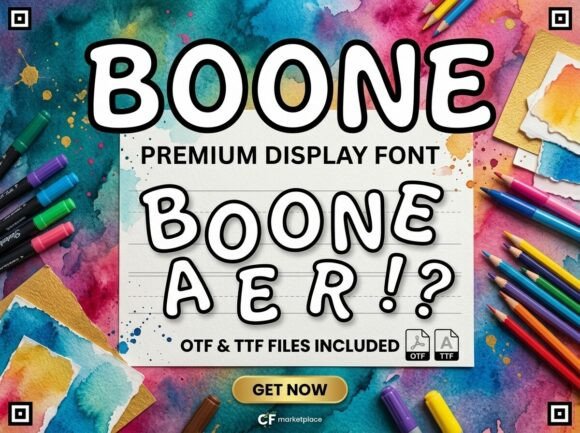
The Boone font is a striking decorative display typeface that commands attention with its unique artistic elements and strong visual personality. Designed to stand out, it offers creators a powerful tool to elevate their projects with a touch of elegance and flair. This font is particularly well-suited for high-impact headlines, logos, and packaging designs where the goal is to make a memorable impression.
What sets Boone apart from other display fonts is its ability to blend creativity with professionalism. While many decorative fonts can feel too whimsical or unpolished for commercial use, Boone maintains a refined finish that ensures it remains appropriate for a wide range of applications. Whether you're designing a brand identity, crafting a marketing campaign, or creating a unique piece of artwork, Boone provides a versatile yet distinctive option.
Understanding the Features of Boone
Boone comes in two file formats: OTF (OpenType Font) and TTF (TrueType Font). The OTF format is ideal for advanced design software like Adobe Illustrator or InDesign, offering greater control over typography and layout. The TTF format, on the other hand, ensures universal compatibility across different devices and platforms, making it a practical choice for users who need consistent results regardless of the software they use.
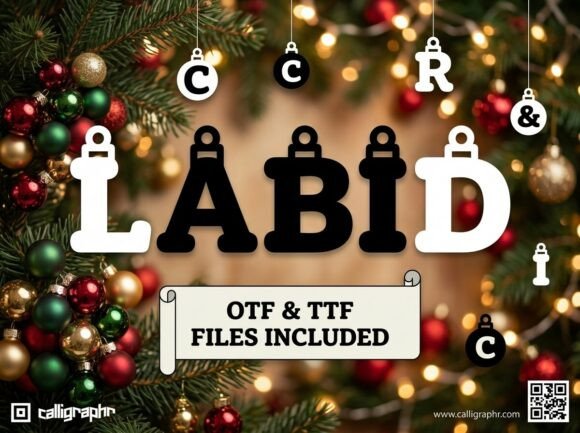
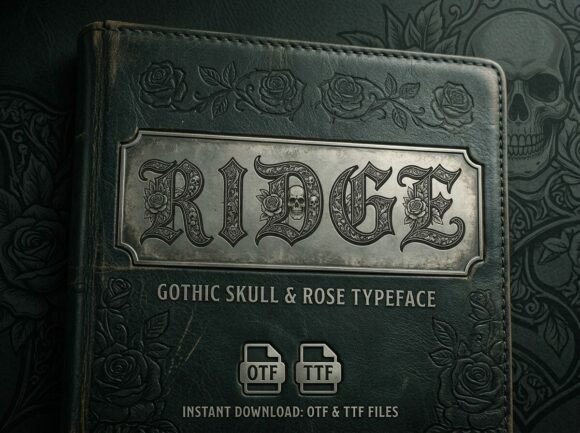
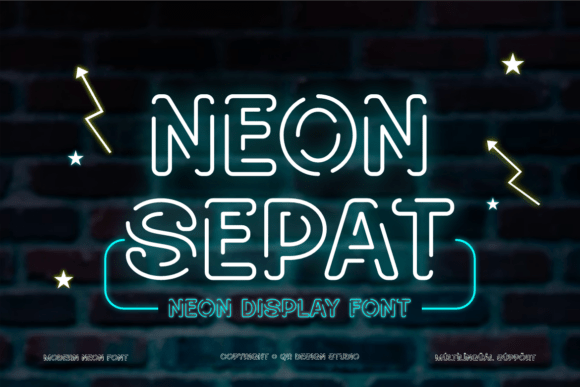
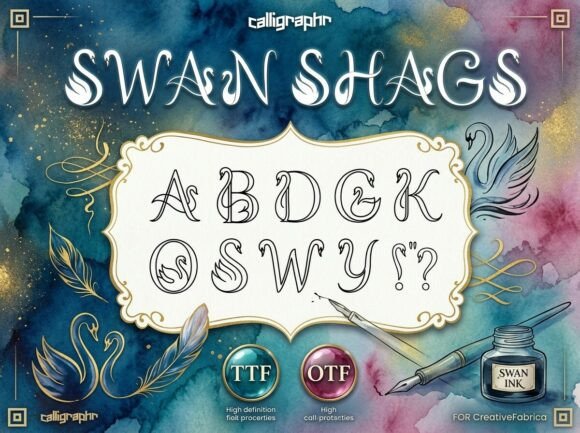
One important thing to note about Boone is that it is an all-caps uppercase only font. This means it does not include lowercase letters, which may be a limitation for certain projects. However, this design choice also contributes to its bold and eye-catching appearance, making it especially effective for headlines, logos, and other applications where emphasis and impact are key.
When to Use Boone: Best-Fit Situations
Boone shines in situations where a strong, visually striking font is needed. It is particularly well-suited for:
- Bold Headlines: Whether you're designing a magazine cover, website banner, or promotional poster, Boone's distinctive style makes it perfect for grabbing attention.
- Artistic Logos: Brands looking to create a unique and memorable logo can benefit from Boone's creative elements, which add a sense of originality and sophistication.
- Creative Packaging: Product packaging often requires a font that stands out on the shelf. Boone's strong visual personality helps products catch the eye and leave a lasting impression.
These use cases highlight how Boone can be a valuable asset in design projects that require a balance between creativity and professionalism. Its clean lines and artistic flourishes ensure that it looks polished even when used for high-impact purposes.
Comparing Boone with Similar Fonts
While Boone has its own unique qualities, it is helpful to consider how it compares with similar display fonts. Many decorative fonts prioritize either aesthetic appeal or functional versatility, but Boone manages to achieve both. Compared to more ornate or script-based fonts, Boone offers a cleaner, more structured look that still retains a sense of artistry.
In terms of versatility, Boone holds its own against other display fonts by being suitable for both digital and print media. Unlike some fonts that may appear too intricate for screen use, Boone maintains clarity and readability at various sizes, making it a reliable choice for designers working across multiple platforms.
However, if a project requires the use of lowercase letters or a more traditional serif or sans-serif style, Boone may not be the best fit. In such cases, designers might consider alternative options that offer greater typographic flexibility.
Strengths and Tradeoffs of Using Boone
The primary strength of Boone lies in its ability to command attention while maintaining a professional appearance. Its unique design elements make it stand out among other display fonts, and its availability in both OTF and TTF formats ensures broad usability. These features make it an excellent choice for designers who want to add a touch of creativity without compromising on quality.
On the other hand, the tradeoff of using Boone is its lack of lowercase letters. This limitation means that it is not suitable for body text or long-form content where a full range of characters is necessary. Additionally, while Boone is highly effective for headlines and logos, it may not be the best choice for projects that require a more subdued or minimalist approach.
Designers should carefully consider these factors when deciding whether Boone is the right font for their needs. For projects that require a bold, artistic statement, Boone is an excellent choice. However, for more conventional or text-heavy applications, another font may be more appropriate.
Realistic Examples and Practical Applications
To better understand how Boone can be used effectively, consider the following examples:
- Magazine Covers: A fashion magazine looking to create a dramatic cover might use Boone for the headline, pairing it with a simpler font for the subheadings and body text.
- Brand Logos: A boutique clothing brand aiming to establish a unique identity could incorporate Boone into its logo design, using its artistic elements to reflect the brand's creative spirit.
- Packaging Design: A luxury skincare product line might use Boone on its packaging to convey elegance and exclusivity, ensuring that the font aligns with the brand's overall aesthetic.
These examples illustrate how Boone can be integrated into various design contexts while maintaining its visual impact. By choosing the right supporting elements, designers can maximize the effectiveness of Boone and create cohesive, compelling visuals.
Evaluating Boone: Is It Right for You?
Ultimately, whether Boone is the right font for your project depends on your specific needs and goals. If you're looking for a font that can add a bold, artistic touch to your design while maintaining a professional appearance, Boone is an excellent option. Its availability in both OTF and TTF formats adds to its versatility, and its strong visual personality ensures that it will stand out in any context.
However, if your project requires the use of lowercase letters or a more traditional font style, you may need to explore other options. It's always a good idea to test different fonts and see how they work within the overall design before making a final decision.
By carefully considering the strengths, limitations, and potential applications of Boone, designers can make an informed choice that best suits their needs. Whether you're working on a high-impact headline, a creative logo, or a unique packaging design, Boone offers a compelling option that combines artistry with functionality.